Standing Behind the Counter, Not in the Doorway: A Shopfront Guide to Smarter Chat Presence

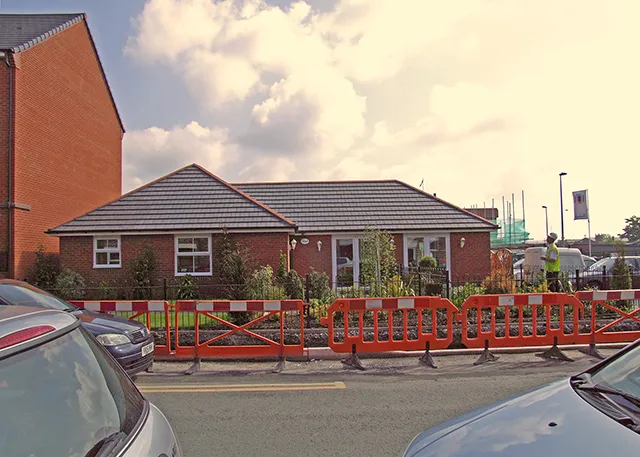
Photo: Frombowen, CC BY-SA 4.0, via Wikimedia Commons
On a damp Saturday, the best shops on a UK high street tend to follow the same quiet rule. The window tells you what is inside. The door is open. Someone is nearby, perhaps folding a jumper or sorting a display, but they are not standing in the entrance asking what you want before you have had a chance to look. You are welcome to browse. If you need help, help is close at hand.
That is a useful model for live chat. Most SME sales teams are not trying to ambush anyone. They want to be available. But widget settings often behave like the over-eager shop assistant who follows you around the rail, straightening the hangers and asking if you need a size every thirty seconds. The intention is friendly. The experience is draining.
The difference between a welcome and a lunge
On a shop floor, approachability is mostly about body language and timing. Staff signal availability with eye contact, a nod, a sensible distance. In live chat, the equivalent signals are the widget position, the opener copy, the timing of any proactive message and the promise of who is on the other end.
B2B buyers notice these details, even if they never mention them. A visitor comparing three suppliers on a Tuesday afternoon is not necessarily ready to chat. They may be checking pricing, scanning case studies or trying to work out whether your platform supports their CRM. If the first thing they meet is a pop-up asking for their email before they have read the headline, the shop window has been replaced by a market stall. That is not the tone most UK SMEs want.
What your widget looks like from the pavement
A useful exercise is to open your own site on a phone and a laptop, then ask a blunt question: does this feel like browsing or being intercepted? Three common widget behaviours deserve particular scrutiny.
Auto-open messages
A chat window that springs open after three seconds is the digital version of a shop assistant rushing the door. It may improve raw chat volume, but volume is not the same as qualified conversations. Test whether the auto-open message covers product copy, pricing tables or the main call to action. If it hides the very content the visitor came for, it is working against the sale. On mobile, where screen space is tight, the effect is worse.
Proactive triggers
Proactive chat has a place, especially on pricing pages, demo pages and high-intent product comparisons. The problem is when every page visit gets the same treatment. A visitor who has read two blog posts and landed on your homepage is not showing the same intent as someone who has spent ninety seconds on a pricing table. Tie proactive triggers to buying signals, not idle curiosity. Use frequency caps. Let a visitor dismiss the invitation without being asked again in the same session.
Generic greetings
"Hi there! How can I help?" is polite, but it is also the chat equivalent of asking a browser what they are looking for before they have looked. It puts the work on the visitor. A better opener is specific to the page or the likely task: "Looking at multi-user pricing? I can check what's included." That is still a conversation starter, not a sales trap. It shows you have noticed context without pretending to know too much.
The shop window checklist for UK SME sales teams
Before changing anything, run a short audit against these questions:
- Does the widget appear after the main content is visible, rather than covering it?
- Is the greeting specific to the page, campaign or product area?
- Can a visitor dismiss the chat and browse without being re-prompted immediately?
- Are proactive triggers tied to a genuine buying signal, such as pricing, demo or comparison pages?
- Does the widget say who replies, and when? "The sales team replies in about two minutes during office hours" is more useful than a green dot with no explanation.
- Is there a clear browse path for people who are not ready to chat, such as FAQs, pricing details or a demo booking link?
- Does it work cleanly on mobile, where most browsing now happens?
None of this requires a huge redesign. It is mostly a matter of restraint. The shop window rule is not about hiding your team. It is about letting the visitor choose when to come in.
Timing beats volume
Sales teams often judge chat by conversations started. That is understandable, but it can reward the wrong behaviour. If your proactive trigger fires on every page and your auto-open message is set to maximum, you may get more chats from people who were not ready. The result is a busy inbox and a sales pipeline full of polite dead ends.
A better set of measures includes reply rate, dismiss rate, negative feedback and the number of chats that turn into a quote, demo or booked call. If your dismiss rate climbs after you add a proactive trigger, the widget is probably too eager. If your reply rate falls, the opener is probably too vague. The aim is not silence. It is the right kind of availability.
Train for the approach, not the pounce
Your chat rota and scripts should reflect the same shopfloor instinct. A good assistant does not open with a pitch. They ask a light question, read the answer and offer something useful. For B2B chat, that might mean checking stock, explaining a pricing tier, sending a relevant case study or arranging a call with a specialist. The first message should lower the pressure, not raise it.
It also helps to give the team permission to be brief. If a visitor says they are just looking, the reply can be: "No problem. I'm here if you need anything." That is not a wasted chat. It is a good shopfront. The visitor knows where you are, and they are more likely to come back when they are ready.
The quiet version of being available
The best UK high-street shops do not chase every browser around the aisle. They make the window clear, keep the door open and trust people to ask when they need help. Live chat can work the same way. Be visible, be specific and be easy to dismiss. That is how an SME sales team starts conversations without making a website visitor feel ambushed.