The Lights Are Off, the Intent Isn't: Making Out-of-Hours Chat Sell Without Faking Coverage
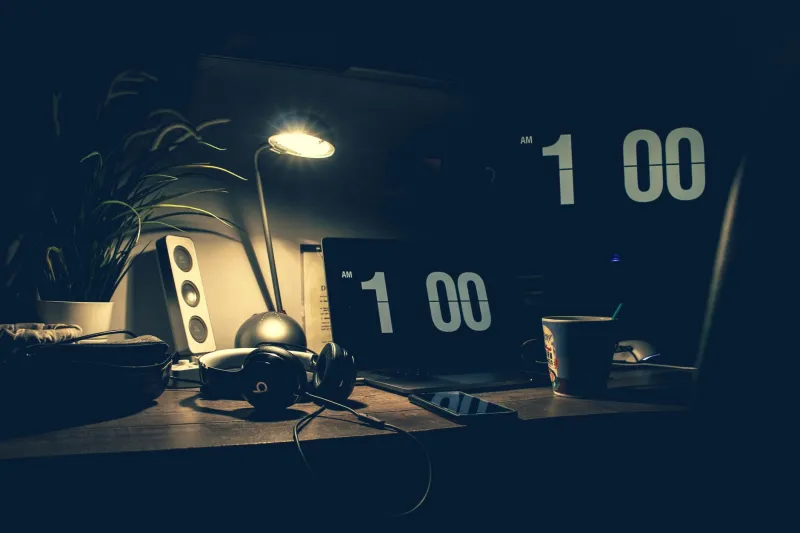
There's a particular kind of quiet in a small UK office at half six. Someone's turned the kettle off, the last person out has flicked the lights, and the chat widget is still sitting there in the corner of the screen, glowing gently, telling anyone who'll listen that help is one click away.
Except it isn't. Not until 8:45 tomorrow, when someone in sales remembers to switch the widget back to online. In between, a surprising number of people are browsing your site, comparing your prices, and occasionally typing a question into a box that will be answered at a time they've already made their decision.
This isn't a lecture about 24/7 cover. Covering midnight with a human team is expensive and, for most SMEs, pointless. But the gap between 6pm and 9am is not a black hole — it's a queue nobody is managing.
First, audit what actually happens after hours
Before you buy anything or change anything, find out what your widget is really doing. Three tests, all free.
Test one: the 8pm visit. Open your own site on your phone at 8pm on a Tuesday and look at the widget as a customer would. Is it showing "online"? Is the offline form a single field that says "Leave a message"? Does it open a chat window and then sit there silently while you type? Whatever you see is the first impression a chunk of your traffic gets.
Test two: the Sunday-evening enquiry. Send a realistic question — "Do you deliver to Northern Ireland?" or "Can I get this in navy before the 14th?" — and then time how long it takes for anything at all to come back. Not a perfect answer. Anything.
Test three: the transcript scroll. Pull the last month of out-of-hours chats and count how many people typed a question and then closed the window without leaving an email. That number, multiplied by your average order value, is roughly what the after-dark gap costs you each month. It's usually higher than people expect.
Most SMEs fail at least two of the three. The common culprits: a widget that pretends to be online, an offline form nobody monitors, and auto-replies that fire at 2am and then vanish.
The honesty problem
There's a temptation to leave the widget green and hope. Please don't. A buyer who types "hello?" into what looks like a live chat and gets nothing for forty minutes hasn't just failed to get an answer — they've learned something about your business. The same silence, framed honestly as "we're closed, we'll reply at 8:45", reads as competent rather than broken.
Small B2B buyers are forgiving about hours. They're far less forgiving about being misled.
Four ways to cover the gap — and what each actually costs you
1. The honest offline form
Cheapest option, and still underrated. The trick is making the form do some selling rather than just collecting. Ask what they're after, when they need it by, and whether they'd rather a call or a reply. Those three fields alone turn a vague message into a qualified lead.
Weakness: you're relying on the buyer to bother. Conversion is low but the leads are warm.
2. Async messaging with a real promise
Instead of a form, let people leave a threaded message and give them a specific time. "We're back at 8:45 and you'll get a reply from a person before 10." Then hit it. Async tools send an email or SMS notification, so the buyer isn't sitting there refreshing a dead window.
This is the sweet spot for most SMEs doing £250k–£5m. You're not staffing nights, you're shortening the distance between an evening question and a morning answer.
3. AI triage — narrowly scoped
A bot that answers three specific things well (delivery times, stock levels, returns window) is genuinely useful at 11pm. A bot that tries to handle everything and escalates to nothing is a maze with a sign on the door saying "someone will be with you shortly".
If you go this route, cap it. Have the bot hand off to the async queue the moment it's unsure, and never let it imply a human is standing by.
4. The callback promise
Simple, old-fashioned, works. "Leave your number, we'll ring you before 10am tomorrow." The commitment is what converts — a specific time, not "as soon as possible". Pair it with a real diary slot so the promise isn't forgotten by 9:30.
Scripts that capture intent without claiming the impossible
Keep these short. Nobody wants a paragraph at 10pm.
The opening line (out of hours): "You've caught us outside trading hours — we're back at 8:45 tomorrow. Leave your question here and we'll reply by 10am with a proper answer, not a holding note."
When someone asks about stock: "Good question, and I don't want to guess. Drop your email and the exact product and we'll confirm stock and lead time first thing tomorrow — before 10."
When someone mentions a deadline: "If you need it by Friday, tell me the postcode and we'll check delivery first thing and come back with a yes or no by 10am."
The morning follow-up (this is the bit people skip): "Morning — you asked about navy in a size 12 for Friday. We've got four left and next-day delivery to Leeds is still live if you order before 2pm. Want me to hold one?"
That last one is the whole point. The overnight message isn't the sale. The sale happens at 9:12 when someone picks it up and treats it like a conversation that was paused, not a ticket that was filed.
Measure the queue, not the widget
One number matters here: how many out-of-hours enquiries turned into a conversation before 10am the next working day. Track it weekly. If it's under 80%, something in the chain is broken — usually the notification email going to a shared inbox nobody owns.
Assign one person. Not a team, not a rota — one named human who is responsible for clearing the overnight queue by 10am. That single change does more than any software upgrade.
The shop window after dark
A high street shop leaves a light on and puts its best things in the window. It doesn't pretend to be open. Your chat widget after 6pm should work the same way: visible, welcoming, honest about the hour, and set up so that the person who wandered in at 9:40pm finds a conversation waiting for them at breakfast rather than an empty room.
You're not paying for night shifts. You're just not letting good intent go cold in a queue.